For individuals evaluating advanced auditory technology, the upfront capital required is frequently the first noticeable factor. Depending on the technology and level of care involved, modern hearing aids can range from a few hundred dollars to several thousand. For many people, that comes as a surprise, and it can understandably feel like a stopping point. […]
Does Medicare cover hearing aids? The honest answer is: No. Hearing aids are not covered under Original Medicare. We realize this is disappointing news, and it often comes as a surprise to many of our patients. Fortunately, you have other ways to manage the cost. Supplemental paths like Medicare Advantage, various financing programs, and unique […]
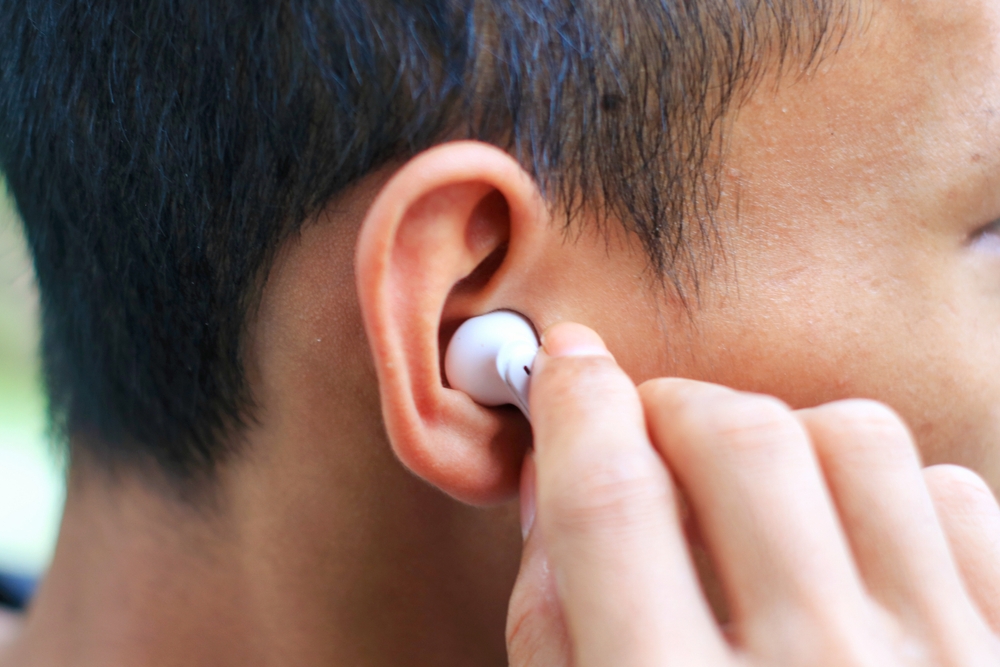
It is increasingly uncommon to observe a young adult in a public setting without an earbud in place. Though over-ear headphones are more bulky, the younger demographic still relies on them for environmental isolation. We all enjoy listening to music, no matter our age, but younger people rely on music to pass the time. So, […]
It is a widespread misconception that hearing begins and ends with the ears, but the reality is more complex. Clinical evidence shows that auditory processing is a bilateral effort between the peripheral ears and the central nervous system. Cognitive hearing represents the neurological bridge between detecting a frequency and understanding a message. To provide an […]
While most assume hearing is localized to the ears, the brain serves as the primary engine for auditory interpretation. The peripheral auditory system gathers sound waves, but the brain’s auditory cortex translates them into meaningful information. When hearing loss develops, the brain receives less information about sound. Prolonged auditory deprivation weakens neural pathways, forcing the […]
Do you often experience profound mental depletion following extended dialogue or crowded social events? You may assume you’re just tired, stressed, or overwhelmed. Certainly, for those with introverted tendencies or sensory processing sensitivities, social engagement is naturally taxing. Frequently, this specific type of burnout is actually triggered by chronic auditory fatigue. Auditory fatigue happens when […]
Prevalent myths regarding hearing loss frequently act as a barrier to necessary audiological treatment. When managing hearing loss, timely intervention is a fundamental requirement for long-term health. Accepting hearing myths as fact typically results in late-stage intervention and diminished communicative function. Identifying the facts behind auditory health allows you to navigate clinical options with technical […]
While age and loud environments are primary drivers of hearing loss, the calendar year dictates specific changes in how we process sound. Should you notice increased aural fullness during cold snaps or canal irritation in humid months, your observations are likely accurate. Variations in seasonal hearing loss symptoms are standard clinical findings related to changing […]
Most people know loud noise can damage your hearing, but medications are a lesser-known culprit. Medications that can impact hearing are known as ototoxic medications, meaning they have the potential to harm the inner ear. While many ototoxic drugs are necessary (and highly effective) for treating serious medical conditions, knowing the risks can help you […]
Hearing impairment follows professionals directly into their professional environment. For most individuals, it compromises meeting participation and phone clarity long before the team observes a change. Whether you or a direct report are navigating auditory struggles, grasping the impact of hearing loss on workplace output and identified accommodations is vital for professional health. Workplace Consequences […]