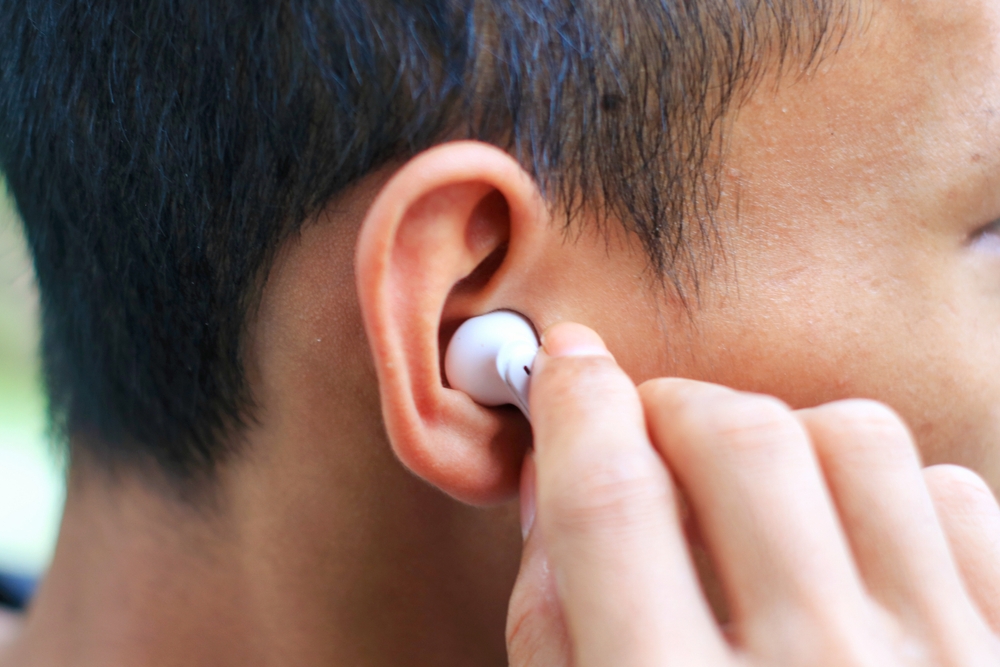
It is increasingly uncommon to observe a young adult in a public setting without an earbud in place. Though over-ear headphones are more bulky, the younger demographic still relies on them for environmental isolation. We all enjoy listening to music, no matter our age, but younger people rely on music to pass the time. So, can headphones cause hearing loss since they are so close to our ears? Ultimately, hearing health depends on the management of volume and duration rather than the device category.
Too Much of a Good Thing
The psychological impact of music varies, serving to calm the nerves, provide emotional solace, or increase physiological arousal. Much depends on the rhythm and volume of the content being consumed. Personal audio tech provides a convenient way to consume media without infringing on the silence of those nearby. This behavior is socially beneficial, and commuters often report a preference for this shared auditory boundaries on public transit.
The primary clinical concerns center on the precise limits of sound pressure and the length of the listening session. It is well-established that loud noise, regardless of the source, can compromise your long-term hearing sensitivity. Combining high-intensity sound with extended exposure times can lead to permanent sensorineural damage. The onset of **Noise-Induced Hearing Loss** is insidious, meaning significant damage often precedes clinical awareness.
The Key Dangers of Headphones and Earbuds
The intensity of the decibels is the leading risk factor for permanent auditory trauma. Despite this, the cumulative hours of exposure are just as dangerous as a single loud blast.
- The National Institutes of Health advises that sounds under 70 decibels are generally safe for the human ear.
- Louder noises will cause hearing damage faster than quieter sounds.
- Audiologists recommend the 60/60 rule: stay below 60% of max volume and limit sessions to one hour.
- Protect your hearing by turning down the volume on your device and limiting your exposure.
Recognizing the Symptoms of Auditory Damage
Experiencing aural fullness, persistent **tinnitus**, or difficulty deciphering dialogue in crowds suggests it is time for a clinical hearing test.
If you suspect a decline in your hearing, contact our office to begin a professional diagnostic process.