Migraines don’t always present as severe headaches; in fact, a vestibular migraine mainly affects balance, motion perception, and spatial orientation. Our clinical team conducts comprehensive evaluations for chronic dizziness to establish whether vestibular migraine or another balance condition is present. Identifying key clinical indicators and reviewing them with your doctor is essential for establishing an […]
Experiencing a rapid decline in hearing in a single ear is a distressing event that creates understandable uncertainty. Our clinical team conducts same-day diagnostic hearing evaluations and streamlines collaborative medical care following sudden auditory changes. An acute sudden hearing loss consistently necessitates immediate examination by a hearing professional to begin medical therapy or targeted hearing […]
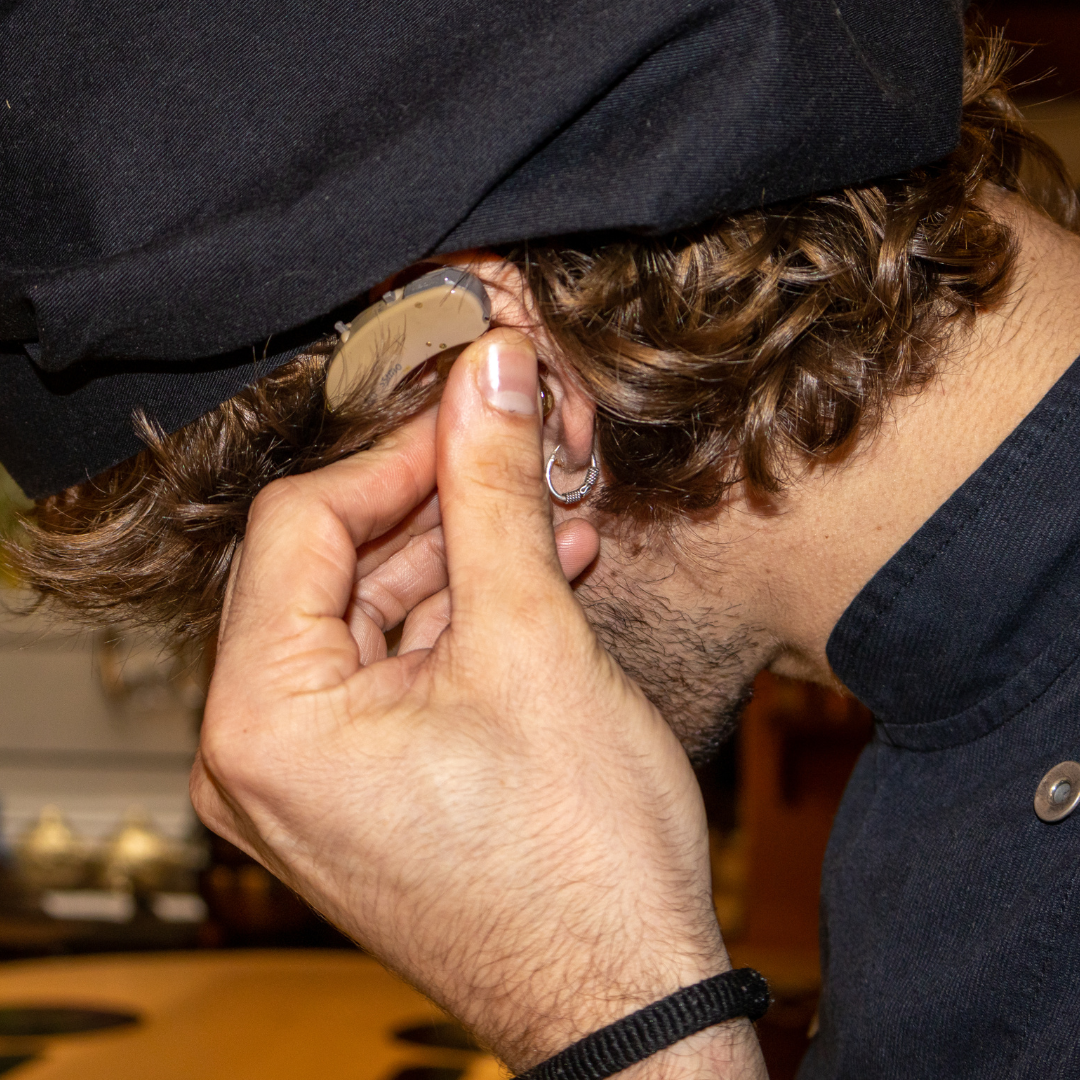
A high-pitched whistle from a hearing aid can come on suddenly and be a huge annoyance and distraction if the cause isn’t quickly addressed. We provide specialized diagnostic testing to establish whether whistling originates from ear canal fit, earwax occlusion, incorrect settings, damaged accessories, or internal circuitry issues. Review common feedback mechanisms alongside safe at-home […]
Active restaurant conversations are frequently hard to decipher when surrounding background noise clashes with your hearing. Our audiology clinic conducts specialized testing to evaluate hearing in both quiet sound booths and noisy simulations to isolate the underlying cause. Once we determine the cause of difficult hearing, we can help you find personalized solutions. Understanding the […]
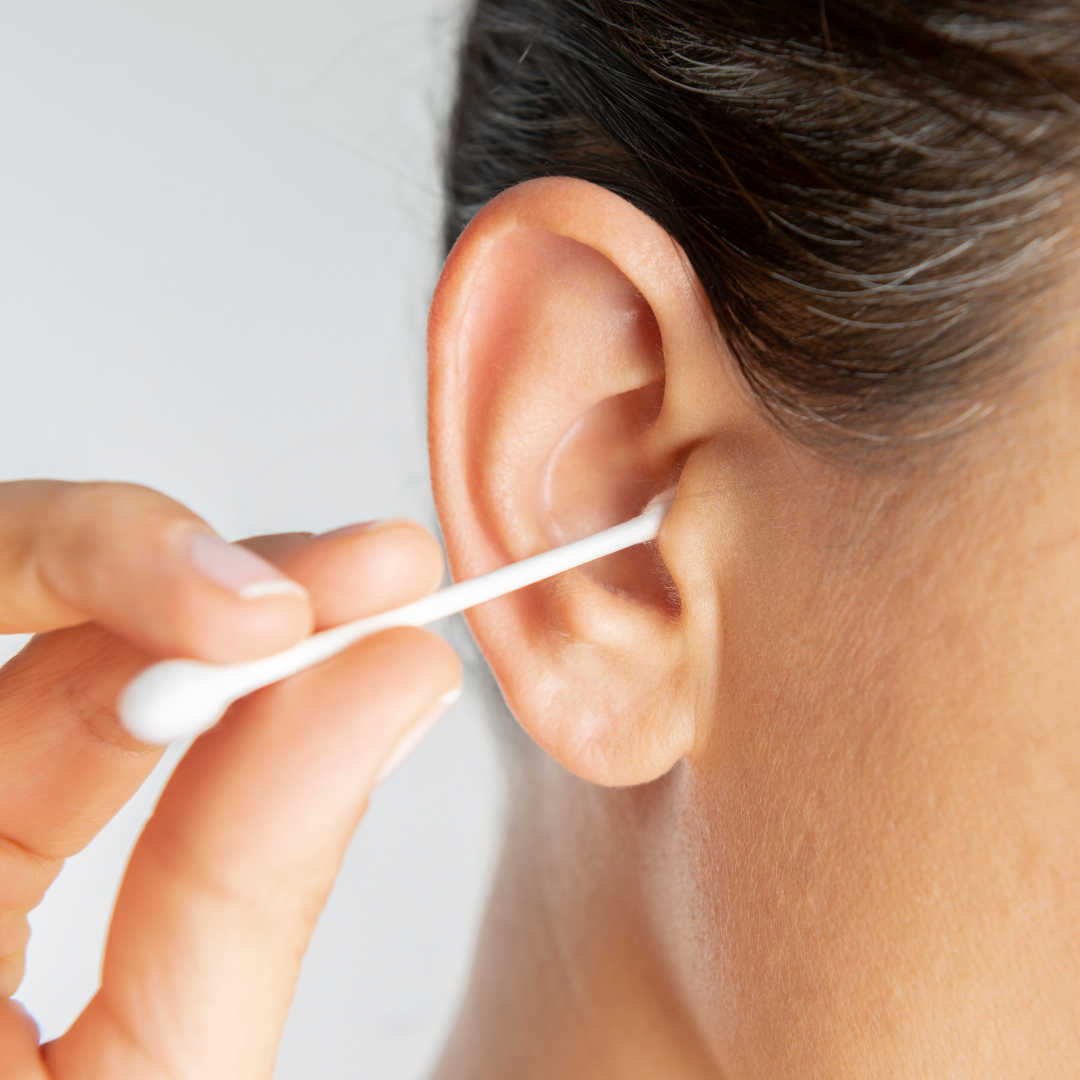
Although cotton swabs appear to offer an easy hygiene solution, pushing them into the ear canal often worsens wax accumulation and risks tissue trauma. We can determine whether earwax actually needs removal and recommend a method suited to your ear health. Routine manual hygiene is often unnecessary for ears; still, when excessive wax accumulates, we […]
Experiencing a sudden sensation of spinning when lying flat, turning over in bed, or rising to a seated position can cause significant distress. Our specialists conduct thorough dizziness and equilibrium evaluations to diagnose benign paroxysmal positional vertigo (BPPV) and related inner ear disorders. Through targeted clinical care, we guide individuals through the mechanics of BPPV […]
Modern hearing aids aim to effectively treat your individual hearing loss profile. No matter if you recently acquired hearing aids or have relied on them for decades, should your hearing aids generate headaches or any form of soreness, effective options exist. An accurately calibrated hearing aid should rest comfortably inside your ear canal while delivering […]
Have you ever heard a ringing, buzzing, hissing, static, or whooshing sound that no one else seems to notice? While it may feel alarming, you’re not imagining it. These sounds are often caused by tinnitus, a common condition in which the brain perceives sound without an external source. Tinnitus affects an estimated 10% to 15% […]
Whether you’re cruising in a convertible, riding a motorcycle, or spending the afternoon on a boat, loud noise is often part of the experience. While these activities can be enjoyable, repeated exposure to high noise levels can gradually damage your hearing. Noise-induced hearing loss develops over time and is permanent, but it is also largely […]
After enduring a long, exhausting schedule, crawling into bed for restful slumber is all you want. You finally climb into bed, the house goes quiet, and that’s when it happens: The ringing in your ear is suddenly impossible to ignore. Should your phantom ear noises seem much more severe at bedtime, rest assured that this […]