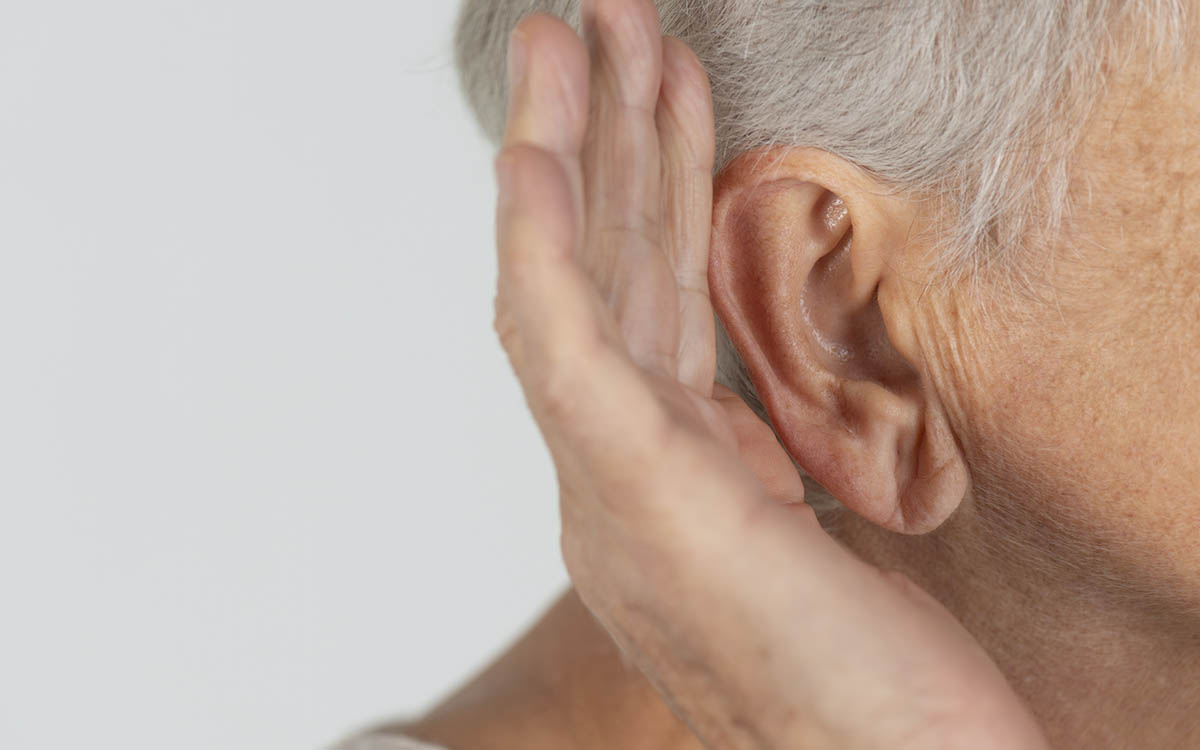
Commonly, clinicians link hearing loss to senescence, yet for a vast number of citizens, ear injury manifests significantly sooner. Noise-induced hearing loss represents a common, preventable auditory pathology, but it often occurs gradually and goes unnoticed until the effects are permanent.
Comprehensive knowledge of how chronic noise exposure affects the ears allows for preventative measures before substantial hearing loss manifests.
Pathophysiology of Sound-Induced Ear Damage
This form of hearing loss is precipitated by excessive acoustic energy damaging the fragile internal structures of the auditory system. As reported by the CDC, sounds above 85 decibels (roughly the volume of heavy traffic) can begin to cause hearing damage with repeated or prolonged exposure. Higher intensity sounds, including those generated by machinery, music venues, or firearms, may result in immediate damage.
The inner ear contains microscopic sensory receptors known as hair cells. These cells convert sound vibrations into electrical signals that your brain interprets as sound. Once damaged, hair cells do not regenerate, making this form of hearing loss a lifelong auditory deficit.
Understanding How Ear Injury Advances Over Time
A primary clinical concern regarding noise-induced hearing loss is its typically slow rate of progression. Early exposure may cause symptoms like:
- Occasional instances of Tinnitus, characterized by ringing or buzzing sounds
- Subjective hearing attenuation or muffling after high-decibel events
- Impaired speech discrimination in the presence of background noise
While these preliminary indicators may dissipate, this should not be mistaken for complete physiological recovery. In reality, repeated noise exposure continues to injure inner-ear structures, steadily eroding hearing precision.
The Hearing Loss Association of America reports that approximately 48 million Americans experience some degree of hearing loss, frequently with unidentified etiology.
Hazardous Daily Risks contributing to Auditory Trauma
Modern society is characterized by high ambient noise, which frequently leads to a lack of awareness regarding sound intensity. Consequently, the frequency of hazardous noise exposure is often underestimated.
Potential sources include:
- Venues featuring high-decibel live music
- Headphones played at high volumes
- Lawn equipment, power tools, and motorcycles
- Industrial workplace environments such as warehouses and construction sites
The everyday occurrence of these sounds allows for progressive damage to develop without obvious warning.
Prioritizing Proactive Care in Clinical Hearing Management
In contrast to certain medical conditions, noise-induced hearing loss is characterized by its permanent nature. The condition is, however, susceptible to effective preventative strategies. Adopting straightforward preventative behaviors can markedly decrease the likelihood of injury, including:
- The application of earplugs or attenuation earmuffs in loud areas
- Reducing personal audio volume and adhering to the 60/60 safety guideline
- Scheduled breaks from noise to facilitate ear recovery time
- Maintaining regular clinical screenings and Audiology visits
Triggers for Clinical Audiology Consultation
Should you experience persistent Tinnitus or a decline in conversational understanding, a professional evaluation is indicated. Early intervention through an Audiologist allows for the monitoring and implementation of essential protective measures.
Proactive ear protection in the present is essential for maintaining future auditory function. While environmental noise is often inevitable, hearing loss is a preventable outcome. Contact us to coordinate a comprehensive evaluation and ensure your auditory system is functioning at its peak.