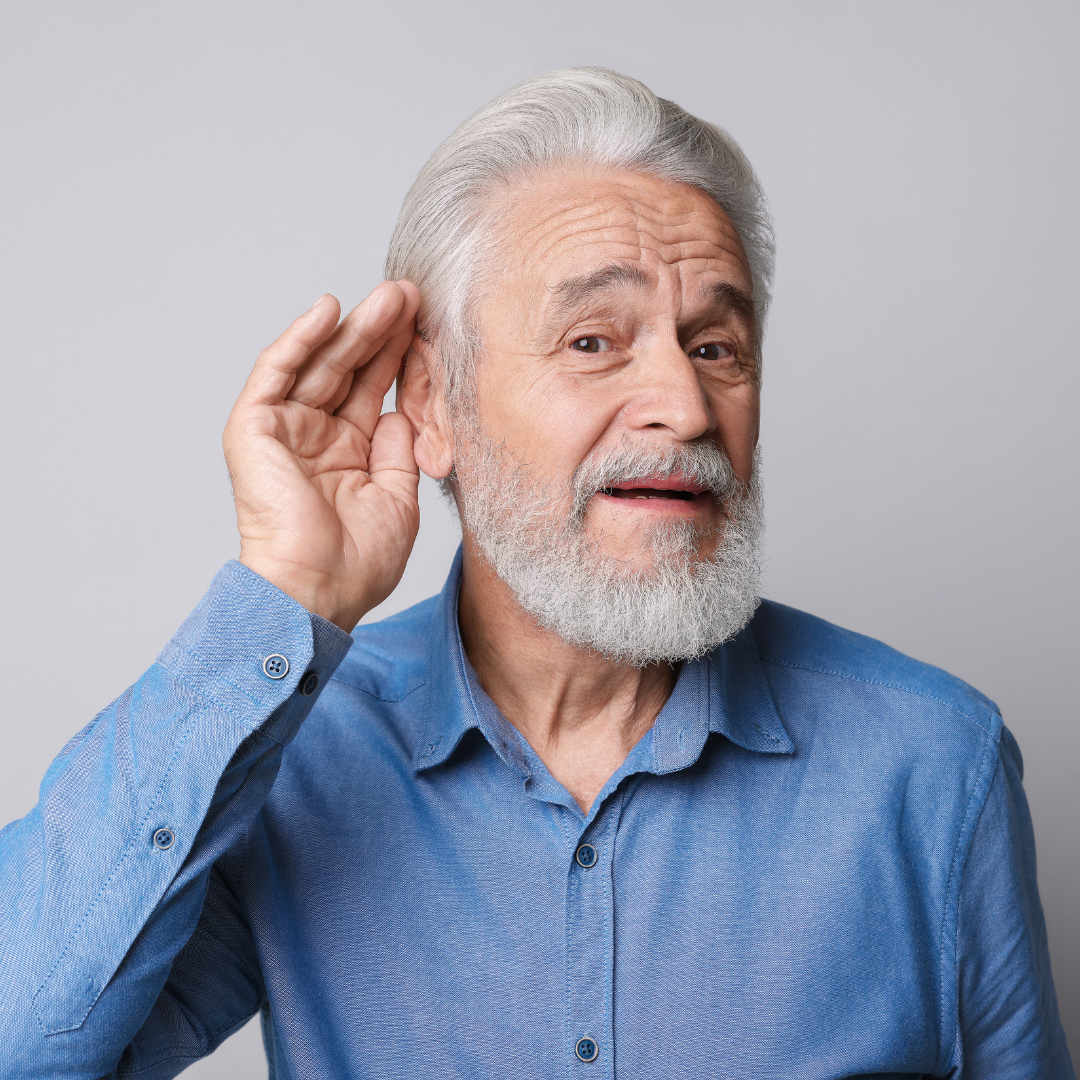
Experiencing a rapid decline in hearing in a single ear is a distressing event that creates understandable uncertainty. Our clinical team conducts same-day diagnostic hearing evaluations and streamlines collaborative medical care following sudden auditory changes. An acute sudden hearing loss consistently necessitates immediate examination by a hearing professional to begin medical therapy or targeted hearing rehabilitation.
Understanding Sudden Hearing Loss as a Time-Sensitive Emergency
Yes, without question. Sudden hearing loss in a single ear demands immediate emergency medical care, particularly when symptoms progress within a few hours or days. Often designated as sudden deafness, sudden sensorineural hearing loss reflects damage to the inner ear cochlea or the acoustic nerve. The condition typically develops painlessly, leading many patients to confuse it with sinus congestion, fluid, or a plugged ear canal.
Possible signs include:
- A rapid decrease in volume or clarity on one side
- Struggling to hear or follow telephone speech on the compromised side
- Sensation of an internal ear pop or mounting aural pressure right before hearing diminishes
- Sudden-onset tinnitus characterized by ringing, buzzing, or roaring within the impaired ear
- Balance disturbances, postural unsteadiness, or acute vestibular vertigo
Refrain from waiting for spontaneous recovery to restore your hearing acuity. Seek same-day diagnostic guidance from our practice, an urgent care physician, or an otolaryngology specialist.
The Critical Importance of Immediate Medical Care for Sudden Hearing Loss
Early clinical intervention is crucial because treatment protocols for sudden sensorineural hearing loss are far more successful when commenced right away. We must immediately determine if the loss is conductive—stemming from earwax blockage or middle-ear pathology—or sensorineural, signifying inner ear or neural involvement. Even though conductive blockages and neural losses present with similar symptoms, they demand radically distinct medical protocols.
An ear examination and a diagnostic hearing test can identify the type, pattern, and severity of the loss.
Pursue immediate hospital emergency assessment if your sudden hearing loss coincides with:
- Facial drooping, weakness, or numbness
- Speech slurring, expressive language difficulty, mental confusion, or an acute severe headache
- Sudden double vision, loss of consciousness, or profound unsteadiness when walking
- Crushing chest pressure or other life-threatening medical signs
These symptoms may indicate a neurological or vascular emergency and should not be evaluated through a routine appointment.
What Causes Sudden Deafness in One Ear?
In most clinical diagnoses of sudden sensorineural hearing loss, the precipitating cause remains completely idiopathic. When a cause can be identified, it may involve inflammation, injury, circulation, the immune system, or another condition affecting the inner ear or auditory nerve.
Recognized pathological triggers include:
- Acute viral labyrinthitis or bacterial infections
- Severe head trauma or direct exposure to an explosive acoustic blast
- Systemic autoimmune pathologies targeting the auditory labyrinth
- Administration of potentially ototoxic pharmaceutical agents
- Acute circulatory compromise or cochlear microvascular infarction
- Peripheral inner ear pathologies such as classic Ménière’s disease
- Neurodegenerative or demyelinating disorders such as multiple sclerosis
- A growth on the hearing and balance nerve
Because one cannot differentiate these complex etiologies based on symptoms alone, prompt diagnostic assessment and audiologic testing are critical.
How Can Sudden Sensorineural Hearing Loss Be Treated?
Prescription corticosteroids are the gold-standard treatment when sudden sensorineural hearing loss develops without an overt etiology. These medications may be prescribed orally or delivered through intratympanic injections across the tympanic membrane to access inner ear fluids directly. Our clinical team outlines therapeutic options tailored to your specific case, factoring in symptom latency, severity of the loss, comorbid medical conditions, and medication tolerances.
Initiating steroid therapy within the first 14 days of symptom emergence is critical, emphasizing the importance of starting as early as possible. Serial intratympanic steroid injections can also be utilized as a secondary salvage therapy if initial oral treatment achieves incomplete recovery. For specific candidates, a physician may recommend hyperbaric oxygen therapy in combination with aggressive steroid therapy.
Can Sudden Hearing Loss in One Ear Go Away on Its Own?
Sudden sensorineural hearing loss can, in some circumstances, improve spontaneously without medical therapy. Roughly half of individuals with the condition experience spontaneous partial or complete auditory recovery, primarily during the initial two-week period. However, modern medicine possesses no validated mechanism to determine early on which individuals will recover, what volume of sound will return, or if gains will endure.
The possibility of spontaneous recovery is not a reason to delay care. Treatment becomes less likely to reverse permanent loss when it starts weeks after the change, so waiting may close an important treatment window. Overall auditory recovery can range from full restoration and partial improvement to negligible recovery.
What Happens If Sudden Sensorineural Hearing Loss Fails to Improve?
If hearing does not fully recover, the next step depends on how much hearing remains, how well the affected ear understands speech, and whether an underlying cause has been ruled out. We often coordinate a contrast-enhanced MRI study or an auditory brainstem response test to evaluate the vestibulocochlear nerve pathway.
Longer-term options may include:
- Custom programming of a traditional hearing aid when the ear maintains usable acoustic thresholds
- A wireless CROS system that captures incoming sound on the impaired side and transfers it to the better-hearing ear
- An implantable bone-conduction hearing processor for patients satisfying audiological criteria
- A cochlear implant for qualifying cases of single-sided deafness
- Assistive listening technology for work, school, or conversations
Audiologic rehabilitation can also address listening fatigue, sound localization, and communication difficulties. The most suitable option depends on the hearing test results, daily needs, health history, and personal preferences.
Request a Same-Day Hearing Evaluation
If you experienced a sudden drop in hearing today or within recent days, seek same-day clinical intervention instead of waiting for a standard checkup. Our clinic will perform comprehensive diagnostic hearing testing, compare thresholds between ears, document onset chronology, and coordinate urgent care with an ENT physician.
Contact our clinic without delay to request a prompt hearing evaluation.