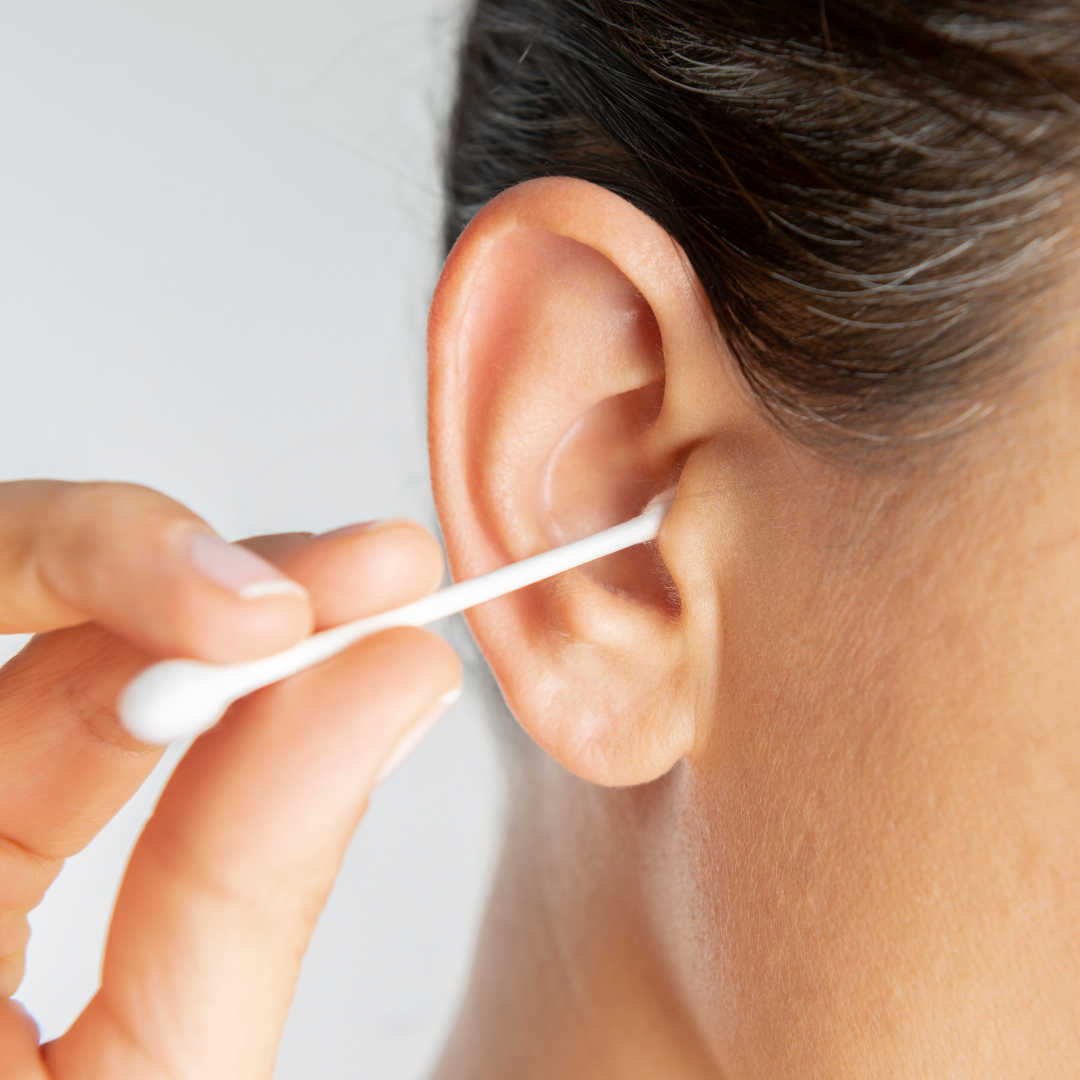
Although cotton swabs appear to offer an easy hygiene solution, pushing them into the ear canal often worsens wax accumulation and risks tissue trauma. We can determine whether earwax actually needs removal and recommend a method suited to your ear health. Routine manual hygiene is often unnecessary for ears; still, when excessive wax accumulates, we deliver safe and gentle removal solutions.
Clinical Reasons Why Q-Tips Damage the Ear Canal
Human earwax, formally designated as cerumen, is a functional secretion rather than unwanted dirt. This substance captures environmental dust, restricts bacterial colonization, conditions the delicate canal walls, and defends fragile skin. Normal jaw articulation and progressive skin turnover transport old cerumen toward the external ear opening, where it naturally detaches.
A Q-Tip placed inside the canal can disrupt this self-cleaning process. Even if the swab gathers a trace of surface cerumen, it routinely compacts the remaining mass against the eardrum. Habitual use tends to compress wax into a stubborn plug, producing an uncomfortable blocked feeling that prompts further harmful scrubbing.
While cotton swabs are acceptable for cleansing the external folds of the pinna, they must never pass into the ear canal.
Types of Ear Injuries Caused by Cotton Swabs
The delicate dermal lining of the auditory canal is remarkably thin and susceptible to lacerations. Microscopic tears cause acute discomfort or hemorrhage while exposing tissue to bacteria, which heightens the probability of an outer ear infection. In addition, the cotton head can loosen and become retained as an obstructing foreign object in the ear.
Swab-related clinical injuries include:
- Earwax pushed into a deeper impaction
- Epithelial lacerations, inflammation, erythema, or bleeding
- Bacterial or fungal ear canal infection
- Retained cotton tip or foreign object obstruction
- Structural tears or perforations across the eardrum
- Ossicular chain disruption or damage behind the tympanic membrane
- Sudden alterations in auditory acuity or permanent hearing changes
- Onset of tinnitus, positional dizziness, or acute ear pain
Even though major trauma is uncommon, someone bumping your arm, a sudden hand slip, or deep over-insertion can cause severe damage.
Recommended Schedules and Timelines for Cerumen Removal
Most people do not need to remove earwax on a schedule. Normal ears migrate cerumen toward the opening constantly, allowing routine bathing to cleanse the visible exterior. Scrubbing too frequently dehydrates the auditory passage, causes persistent irritation, and raises risks for secondary infections or blockages.
Extraction is medically indicated when cerumen fully occludes the lumen, blocks visual examination of the eardrum, compromises hearing aid function, or induces pain.
Clinical Guidance for Safe At-Home Cerumen Care
If earwax produces no discomfort or auditory decline, leaving it undisturbed is consistently the safest choice. Simply cleanse the external ear using a damp, gentle washcloth, allowing the internal canal to clear independently.
When dry wax demands pre-treatment, we often advise using an OTC cerumenolytic solution or drops composed of glycerin, mineral oil, carbamide peroxide, or saline. Dispense only the directed amount and restrict use strictly to the timeframe specified on the product packaging. Discontinue administration immediately if the solution sparks pain, severe dizziness, skin rash, or worsening ear fullness.
Performing home ear irrigation carries distinct risks and requires prior professional evaluation and hands-on technique instructions. Under no circumstances should you ever use a pressurized dental oral irrigator in the ear. Do not use dangerous devices like ear candles, metal scrapers, endoscopic camera tools, hairpins, or unverified suction units. These hazardous instruments often cause cutaneous burns, sharp cuts, eardrum ruptures, or compounded cerumen impaction.
When to Seek Audiological Care for Cerumen Impaction
Set up an audiological evaluation whenever your ear stays plugged after softening care, wax is firmly impacted, or home efforts fail repeatedly. Professional removal is also preferable when a person cannot safely hold still, has a narrow ear canal, uses hearing aids, or has medical or surgical factors that make drops or irrigation risky.
Request an immediate diagnostic examination for:
- Severe ear pain, intractable itching, or outer ear tenderness
- Otorrhea containing blood, active pus, serous fluid, or an unpleasant odor
- Systemic fever or noticeable swelling around the auricle
- Sudden-onset tinnitus or vestibular dizziness
- Rapid-onset hearing impairment or ongoing hearing deficits post-cleaning
- A suspected tympanic membrane rupture or retained swab material
- Persistent impactions interfering with hearing aid operation
Regard sudden unilateral hearing loss as a time-sensitive medical emergency instead of presuming it is earwax. Immediate assessment allows clinicians to differentiate an external canal obstruction from an urgent inner-ear pathology.
In-Office Procedures for Clearing Earwax Blockages
The clinical process starts with high-magnification otoscopy or microscopy to establish cerumen presence and screen for infections, abrasions, or tympanic perforations. The most appropriate removal approach is determined by wax texture, canal structure, patient background, surgical history, and individual tolerance.
Standard clinical removal options include:
- Therapeutic cerumenolytic solutions instilled before or during treatment
- Safe low-pressure irrigation using body-temperature solutions on intact tympanic membranes
- Gentle micro-suction performed under clear binocular visualization
- Mechanical extraction using sterile ear loops, specialized curettes, or micro-forceps
Direct illumination and magnification enable the provider to spare sensitive canal skin and stop promptly upon patient feedback. Patients presenting with dry or tightly impacted wax may require a combination of these clinical approaches. Following the procedure, the ear is re-evaluated to guarantee that both the canal passage and eardrum are clear and healthy. If fullness, tinnitus, dizziness, or hearing difficulty continues, additional testing can identify another cause.
Contact Us for Safe Professional Earwax Removal
Should your ears feel congested or your hearing performance decline, arrange an evaluation with our audiology clinic instead of reaching for swabs. During your consultation, we examine current symptoms, prior ear surgeries, hearing aid habits, home remedies, and physiological factors that drive wax accumulation. Contact us now to schedule an appointment for comprehensive, expert earwax removal.