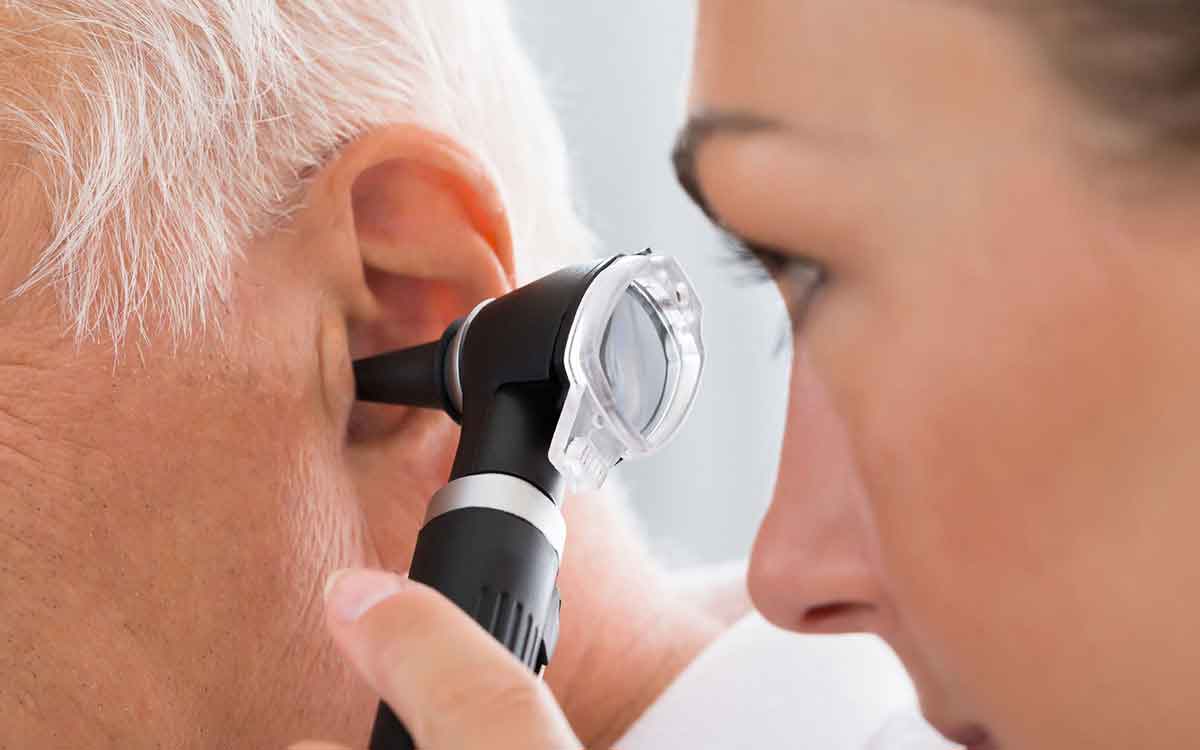
Hearing loss often occurs gradually, rendering it difficult to detect during the early stages. Subconscious adjustments, such as turning up the television or asking for clarification, often mask the early progression of hearing loss.
But identifying the initial symptoms of hearing loss is a priority.
Primary Signs of Developing Hearing Impairment
If you experience any of the following symptoms, it is recommended to undergo an audiological screening.
- Difficulty understanding conversations, especially in crowded settings with a lot of activity.
- Frequent instances of asking for verbal repetitions during daily interactions.
- Muffled or blurred vocalizations, where words sound blended together.
- Requiring higher volume levels for electronic devices beyond the comfort of family members.
- Trouble hearing higher-pitched sounds, including children’s voices, birds, or doorbells.
- Persistent ear ringing or humming associated with tinnitus.
- Mental drain following dialogue resulting from persistent listening effort.
- Withdrawing from social gatherings as dialogue has become stressful.
Initial auditory warnings are often present in one or both ears and might appear inconsistently at first. As a result of rapid neural adaptation, many patients remain unaware of their compensatory habits until the impairment advances.
Statistical Overview of Global Auditory Health
Data from the World Health Organization indicates that a vast population will face the requirement for clinical hearing support by mid-century. Other relevant statistics consist of:
- By 2050, approximately 2.5 billion people are projected to have some degree of hearing loss.
- More than five percent of the global community (roughly 430 million people) requires clinical support to manage disabling hearing loss.
- More than 1 billion younger individuals are at risk of permanent hearing loss caused by hazardous acoustic habits.
- Among those over the age of sixty, more than one-quarter have clinically significant hearing loss.
The Value of Early Hearing Loss Detection
If left unaddressed, hearing loss can influence multiple dimensions of your health beyond simple communication.
Research connects hearing loss with increased risks of social isolation, depression, cognitive decline, and equilibrium problems.
Timely management provides superior results and greater treatment flexibility.
A hearing evaluation can determine whether changes are due to age-related hearing loss, noise exposure, earwax buildup, infection, or another medical condition.
Specific hearing variations remain temporary and can be addressed via appropriate medical care.
Alternatively, timely adoption of hearing aid technology or preventative measures can slow progression.
Guidelines for Consulting an Audiologist
It is advisable to get a consultation from an audiologist if:
- Clinical indicators remain present for more than several weeks.
- Difficulty hearing starts to influence work or daily activities.
- Instances of sudden decline, vertigo, or chronic tinnitus warrant prompt evaluation.
Auditory screenings are painless and noninvasive, plus they provide valuable insight into your auditory wellness.
Contact our professional team today if you believe you could benefit from a hearing screening.
FAQ: Early Signs of Hearing Loss
Question: Does hearing loss only occur with aging?
A: No. While age-related hearing loss is common, hearing changes can also result from noise exposure, medications, infections, genetics, or underlying medical conditions.
Question: Is it possible to restore lost hearing?
A: Some causes, like earwax buildup or infection, may be reversible. Permanent sensorineural hearing loss is typically managed using advanced hearing devices and management protocols.
Q: At what intervals should I have my hearing evaluated?
A: Adults should have a baseline hearing test by age 50, or earlier if symptoms or risk factors are present.